Building in the Hudson Valley
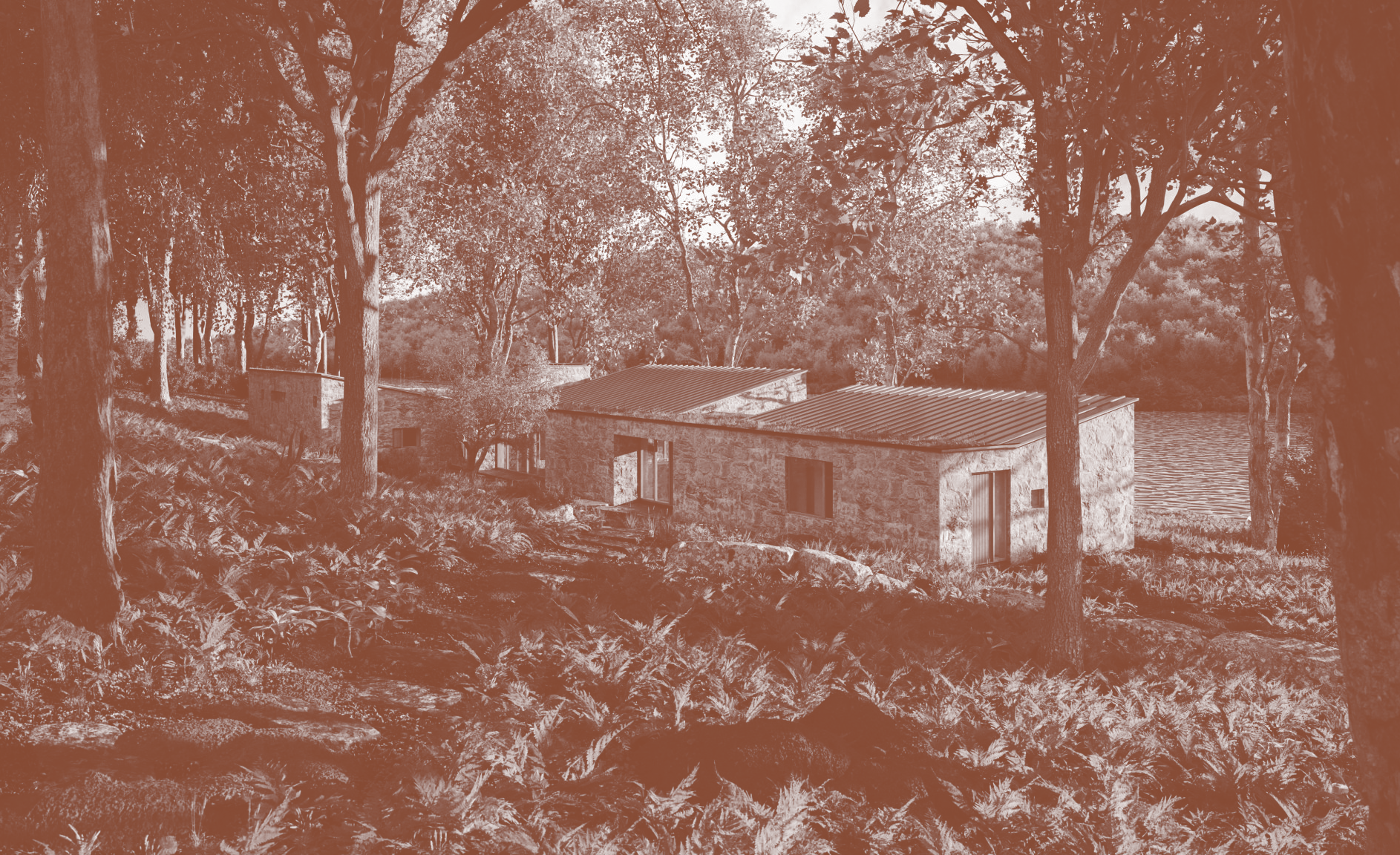
Many people arrive in the Hudson Valley believing they're building a house.
They’re not.
They’re entering into a relationship with a piece of land.
That distinction changes almost everything.
After designing homes throughout the region and developing Hudson Woods, I’ve noticed that the biggest misconceptions have very little to do with architecture itself. They have to do with expectations.
The first misconception is that the land is an empty canvas.
It isn’t.
Every site has a history, an ecology, a topography, a prevailing wind, a pattern of sunlight, mature trees, rock outcroppings, and water moving above and below the surface. The architect’s role is not to impose an idea onto the landscape, but to discover what the landscape is already asking for.
The best homes often feel inevitable, as though they could not have been placed anywhere else.
The second misconception is that a larger house creates a better experience.
In reality, what people remember is rarely the square footage. They remember morning light entering the kitchen. The sound of rain on a metal roof. A path through the woods. A window that frames the changing seasons. A porch where family gathers after a hike.
Architecture is ultimately about shaping experience, not maximizing area.
Another common misunderstanding is that nature is simply something to look at.
In the Hudson Valley, nature is an active participant in every project. It influences how a building sits on the land, how it weathers, how it performs through the seasons, and how people experience daily life.
Rather than asking how much of the site can be transformed, we should ask how much of its character can be preserved.
Some of the most meaningful design decisions involve what we choose not to build.
Clients are often surprised to learn that the greatest challenges are not aesthetic.
They are collaborative.
A successful project depends on the alignment of owners, architects, engineers, consultants, builders and craftspeople. Trust, transparency, and shared purpose have a far greater influence on the outcome than any single design gesture. Beautiful buildings are rarely the product of individual genius. They are almost always the result of exceptional collaboration. That philosophy has guided our practice for years and became one of the foundations of Architectural practice.
Perhaps the biggest misconception, however, is that architecture ends when construction is complete.
A home doesn’t reveal itself on the day you move in.
It matures.
Trees grow. Stone develops a patina. Cedar silvers. The landscape slowly embraces the building until it feels as though it has always belonged there.
The most successful houses are not those that make the strongest first impression. They are the ones that become richer with every passing year.
That has always been our ambition.
We create homes that work with the landscape rather than against it, use local materials, careful siting, and a commitment to preserving the experience of the forest. The goal is never simply to build a house. The goal is to create a place where architecture, nature, and daily life reinforce one another.
Building in the Hudson Valley is ultimately an exercise in restraint.
The land already possesses extraordinary beauty.
Good architecture doesn’t compete with it.
It helps us see it more clearly.
Related Stories
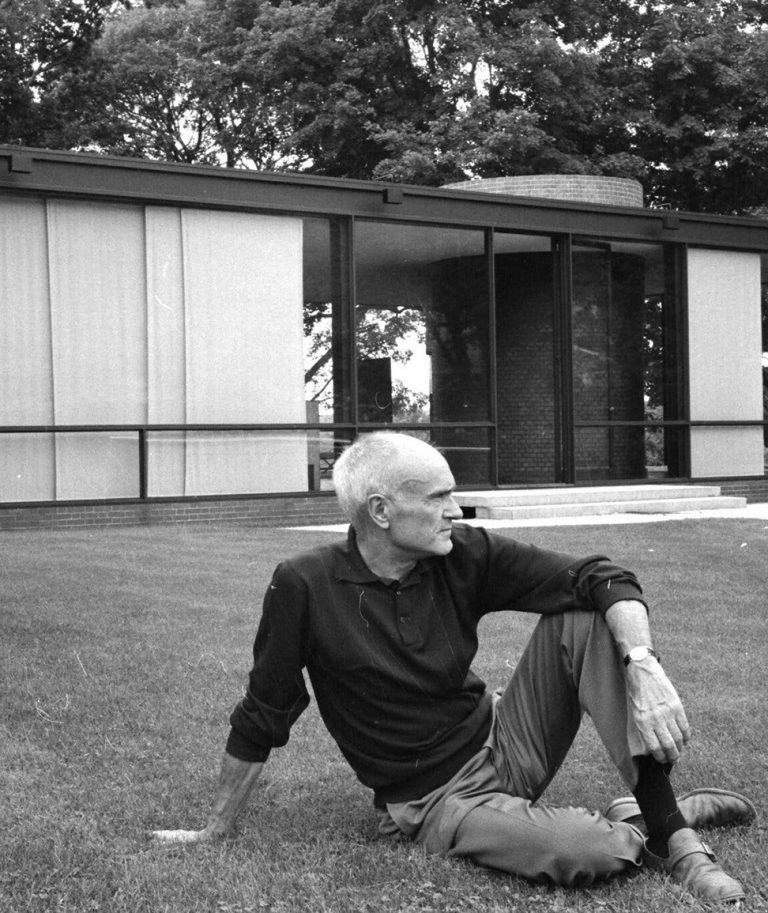
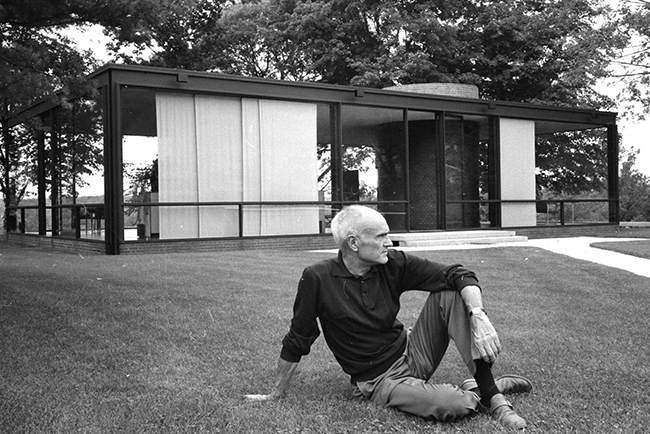

Booth House in The New York Times
Drew Lang and Ravi Arps collaboration on the Booth House, Philip Johnson's first residential project, featured in The New York Times.
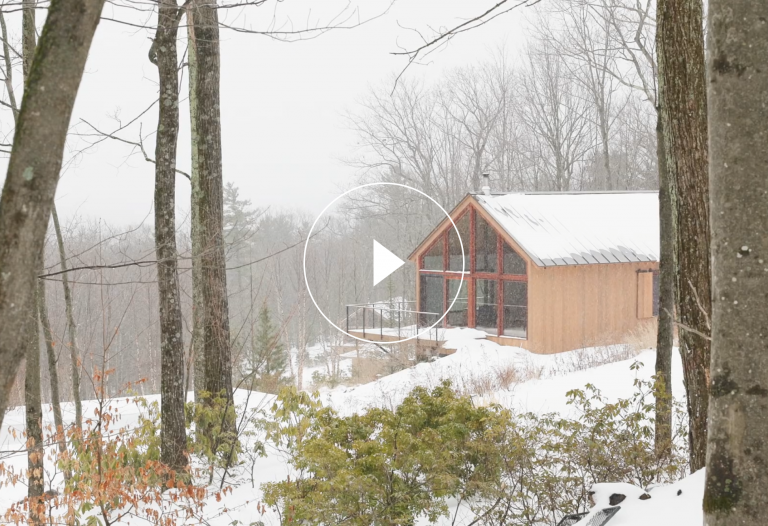
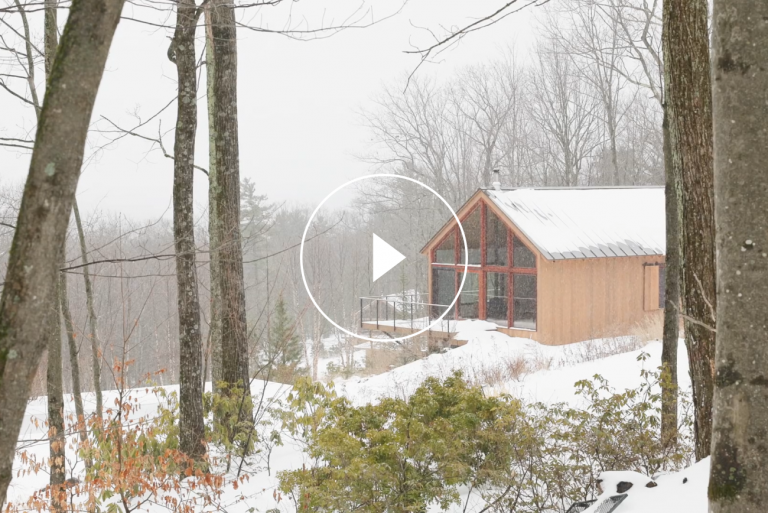
Hudson Woods in Winter
Photographer Michael Biondo captured Hudson Woods on a snowy day in winter.
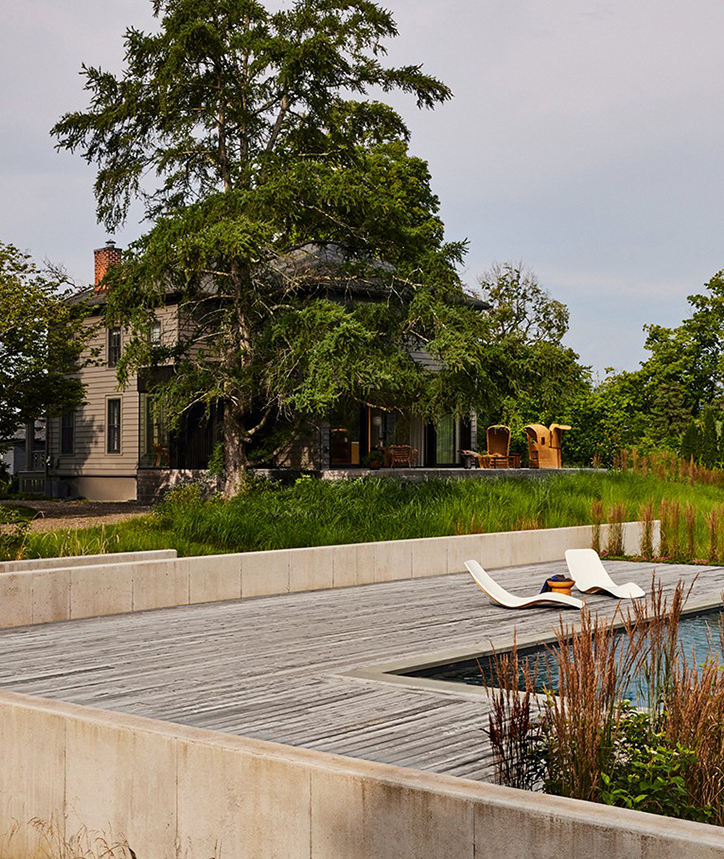
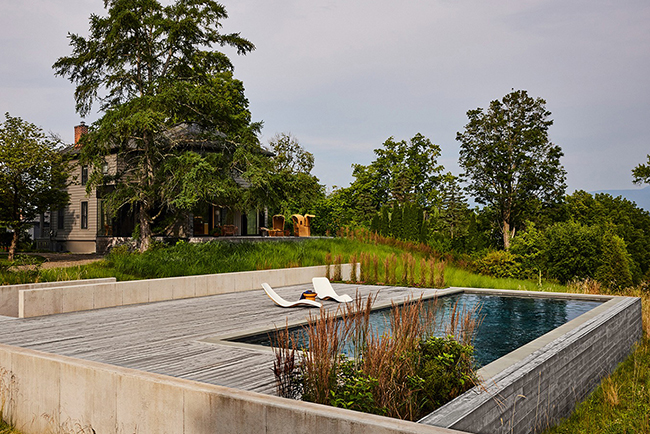

Germantown Home in Upstate House
“Architect Drew Lang combines Victorian elegance with ancient landscapes in this Germantown home.”
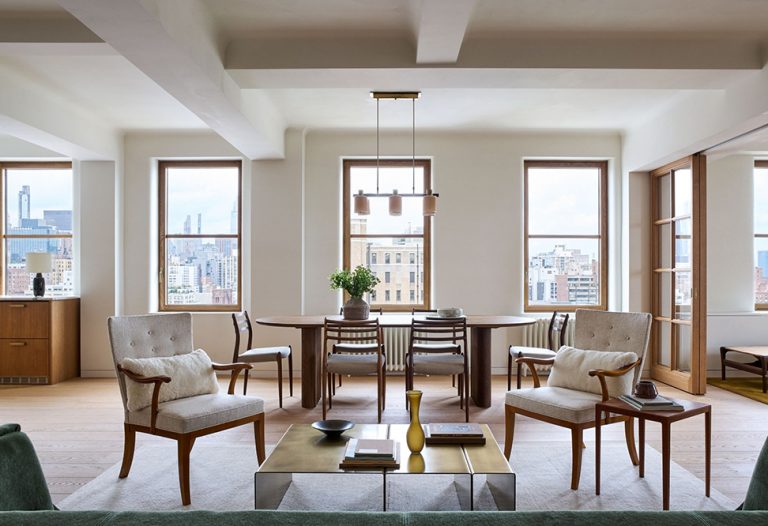
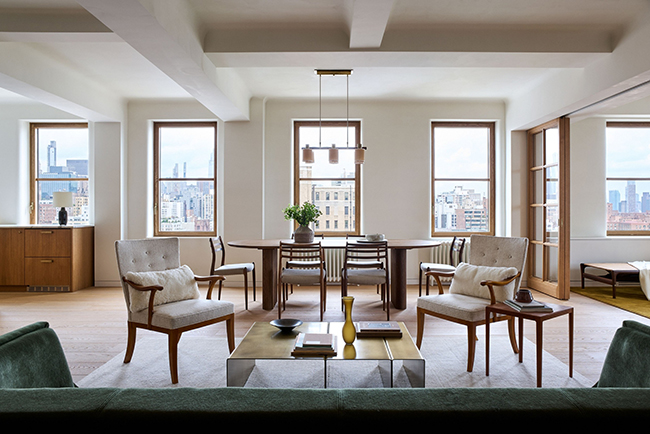

East Village Apartment on The Local Project
"East Village Apartment by Lang Architecture embodies artistic character and individuality, uniting two former apartments into a single residence that honors the building’s Art Deco heritage.